SkipTheGames Explained: What the Site Is, Common Safety Risks and Smarter Alternatives
Published · Updated 19 Nov 2026 · Skipthegames

SkipTheGames is a classified-style website where adults post personal ads, often tied to companionship or paid arrangements. It is not a verified marketplace: listings are user-submitted, and the people shown may not be who they claim to be. Many posts are scams, and some are connected to exploitation or trafficking. This article explains how the site works, the main risks, warning signs, safer ways to meet people and what to do if something goes wrong.
What is SkipTheGames?
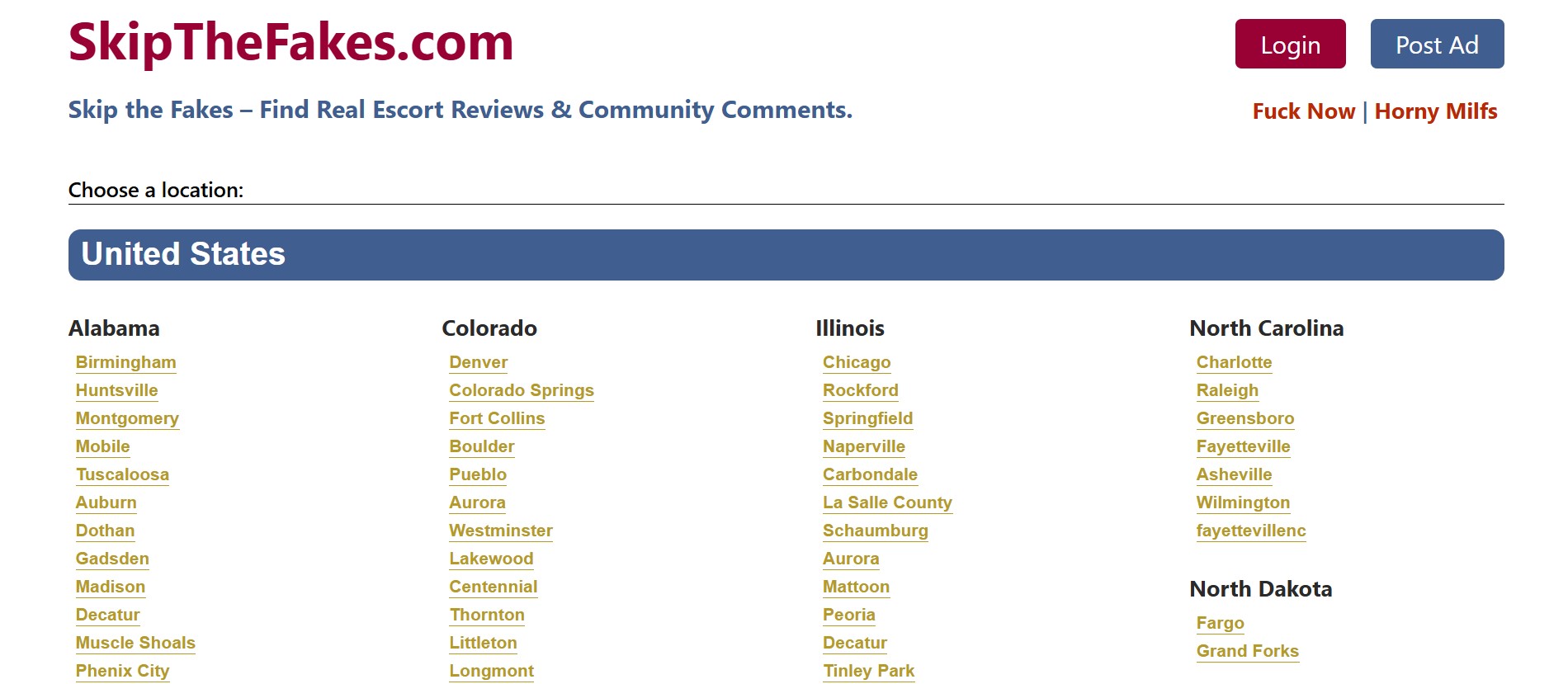
SkipTheGames is an online classifieds site that hosts adult-themed personal ads across hundreds of cities. Listings are short posts, usually with photos, a short description, contact details and a rate. Users browse a map or city list, then message, call or text the person who placed the ad.
The site describes itself as a place to meet local adults, but it is widely associated with the sex trade. Because anyone can post almost anything, listings range from independent companions to fraud, undercover police stings and people being exploited. The site does not verify who its users are, which is the root of most problems.
How the site presents itself
SkipTheGames looks like a simple directory: pick a city, view a grid of profiles, filter by age or category, then send a message. Premium memberships promise extra visibility and features. That polished front page does not change the fact that no one behind the scenes is checking whether a photo, age or address is real.
Why people use it, and why that matters
Adults use sites like this for many reasons: quick companionship, escort services, casual dates, or simply curiosity because the ads are free to browse. That mix of motives means you rarely know what you are getting into. One person may be an independent worker, the next may be a scammer, and a third may be controlled by someone else. Assumptions get people hurt.
The main risks on SkipTheGames
- Fake profiles and bait-and-switch. Photos are often stolen. When you arrive, the person may not match the ad at all.
- Upfront payment scams. Common asks include gift cards, wire transfers, app payments, or deposits to "verify" you. Once sent, the money disappears.
- Blackmail and sextortion. Someone may ask for explicit photos, then threaten to share them unless you pay more.
- Robbery and violence. Meeting a stranger at a private address for a paid arrangement can put you in a dangerous situation with no witnesses.
- Exploitation and trafficking. Some ads are placed by a third party controlling the person. Engaging with them can deepen harm to someone who cannot freely consent.
- Legal trouble. Buying sex is illegal in most of the United States, and online ads leave records. Police also monitor these sites.
- Data exposure. Your phone number, email, IP address and messages may be stored, leaked or subpoenaed.
Red flags in a listing or conversation
- Pressure to move to another app immediately, or refusal to video chat.
- Requests for payment before meeting, especially via gift cards, crypto or wire.
- Vague details, copied text, stock-looking photos, or the same photo appearing across cities.
- Reluctance to share a first name, or a story that keeps changing.
- Insistence on a specific hotel, remote address, or arriving right away.
- Someone else answering the phone or "managing" the arrangement.
If you still choose to meet someone
Harm reduction matters, even when risks cannot be removed. Tell a friend where you are going, share the profile screenshot, address and expected return time, and set a check-in call. Meet first in a public place, keep your phone charged, and never leave drinks unattended. Do not carry items you cannot afford to lose, avoid drugs or heavy alcohol, and do not hand over your ID, bank card or passwords. If anything feels wrong, leave. No amount of money spent obligates you to stay.
Never send money first
No legitimate arrangement requires an upfront gift card, a "deposit" through Cash App, or a fee to release a taxi. If payment is demanded before you meet in person, treat it as a scam and stop contact.
Safer ways to meet people
If your goal is companionship or dating, mainstream apps with identity verification, reporting tools and moderation are structurally safer, even though they are not risk-free. If you want intimacy or connection, consider community groups, hobby classes, volunteer work, or therapy for loneliness. If you are looking for paid companionship, know that in many places it is illegal, and online ads rarely guarantee safety or consent.
What to do after a bad experience
- Report the profile on the platform where contact happened, and block the user everywhere.
- Contact your bank or payment app immediately if you sent money; speed matters.
- File a police report if you were robbed, threatened or blackmailed, and save screenshots.
- Get support. In the United States, the National Human Trafficking Hotline is 1-888-373-7888 or text 233733. Victims of sextortion or blackmail should preserve messages rather than pay.
Being honest with authorities about what happened usually leads to better outcomes than silence, especially when coercion is involved.
Legal and privacy realities
Laws vary by country and state, but many places criminalize buying sex, and some also criminalize advertising. Beyond police, your data can be exposed through breaches, subpoenas or doxxing. Assume anything you post or send may eventually become public.
Takeaway
SkipTheGames is an unverified adult classifieds site, not a safe or regulated service. The most common harms are scams, blackmail, robbery, legal exposure and unknowingly supporting exploitation. If you are seeking connection, use safer channels and realistic expectations; if something goes wrong, report it quickly and ask for help.